The Ultimate Equipment Guide
Decoding the anatomy of the dart and the materials that make up a championship board.
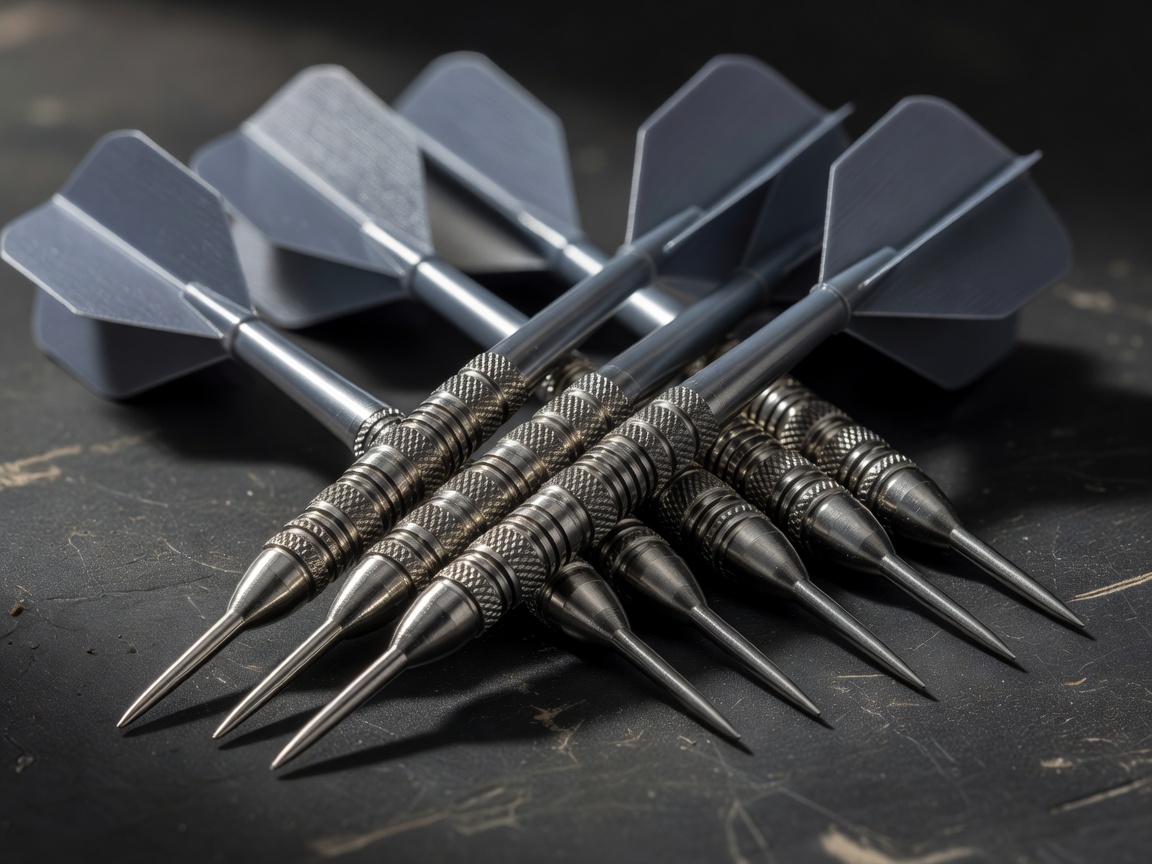
Selecting the right darts equipment is the foundational step in improving your game. While natural talent and rigorous practice are crucial, using substandard or poorly matched equipment will artificially cap your potential. A dart consists of four main components: the point, the barrel, the shaft (or stem), and the flight. Each part influences the dart's trajectory, balance, and grouping capability.
The Barrel: Tungsten vs. Brass
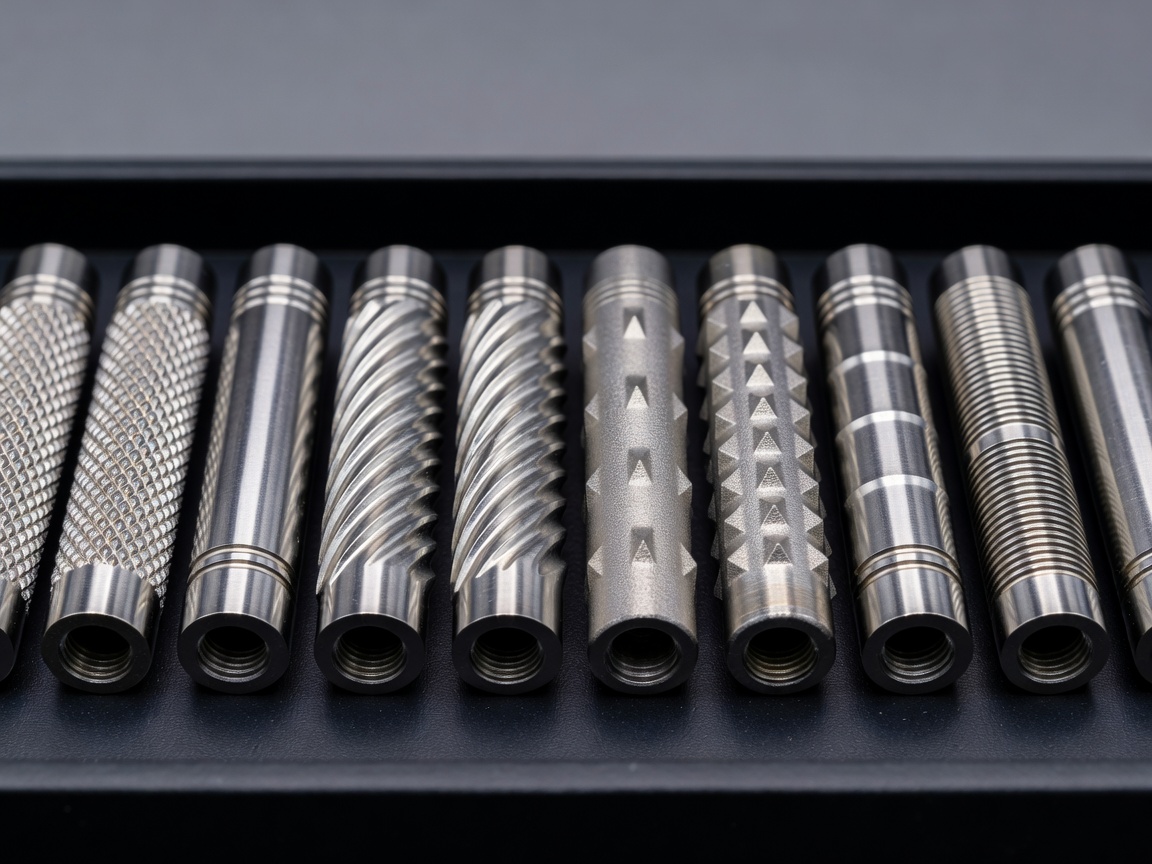
The barrel is the core of the dart—it is what you grip and where the majority of the weight is concentrated. For decades, wooden and brass darts were the standard. However, the modern game is entirely dominated by tungsten.
Tungsten is a remarkably dense metal, significantly heavier than brass by volume. This density allows manufacturers to create a dart that weighs 22 to 26 grams but has a much slimmer profile than a brass dart of the exact same weight. Why does this matter? The treble twenty bed is small. If you throw thick brass darts, the first two darts will effectively block the bed, making it nearly impossible to squeeze a third dart in for a maximum 180. A slim tungsten dart allows for incredibly tight grouping.
When purchasing tungsten darts, you will notice percentages like 80%, 90%, or 95%. Since 100% tungsten is too brittle to machine, it is alloyed with nickel. Higher percentages mean a slimmer dart, but they are also more brittle and expensive. For most serious players, 90% tungsten offers the perfect balance of slimness and durability.
Shafts and Flights: Aerodynamics
The shaft (stem) and the flight work together to stabilize the dart in the air. This pairing functions exactly like the fletching on an arrow.
- Shafts: Available in short, intermediate, and medium lengths. A longer shaft will shift the center of gravity towards the rear of the dart and generally creates a flatter trajectory. A shorter shaft moves the center of gravity forward, ideal for players who grip near the front. Materials range from inexpensive nylon to durable aluminum and premium carbon fiber.
- Flights: Flights come in various shapes, primarily Standard, Kite, Pear, and Slim. Standard flights have the largest surface area, providing maximum stability and drag, which helps "stand the dart up" in the board. Slim flights have less drag, causing the dart to hit the board at a flatter angle, but require a much smoother, perfectly linear throw.
The Dartboard: Bristle and Wire
While many casual players refer to them as "cork boards" or "horsehair boards," modern professional dartboards are actually made from sisal fibers. Sisal is a stiff fiber extracted from the leaves of the agave plant. Millions of these fibers are packed tightly into a wooden backboard and banded with a steel ring.
The magic of a sisal board is its self-healing nature. When a dart enters the board, it parts the fibers rather than breaking them. When the dart is removed, the pressure of the surrounding fibers pushes the hole closed. This gives the board a significantly longer lifespan compared to paper or wooden alternatives.
Wiring Systems
The wire framework that divides the scoring segments, known as the spider, is just as important as the sisal. Older or cheaper boards use thick, round wire fastened with heavy staples. This creates a massive surface area for the dart to strike, resulting in frustrating "bounce-outs."
Modern competition boards utilize a staple-free, ultra-thin bladed wiring system. The wires are triangular or blade-shaped, so when a dart strikes the wire, its momentum is deflected off the slope of the blade and guided into the scoring bed. Investing in a staple-free bladed board is arguably the best purchase a new player can make to reduce frustration and preserve the longevity of their dart points.
Final Recommendations
For a beginner looking to assemble a proper setup, avoid the brass sets found in big-box stores. Seek out a straight-barrel, 22g to 24g, 80% tungsten dart. Pair this with medium nylon shafts and standard-shaped flights. This configuration offers the most forgiving and stable flight path, allowing you to focus entirely on developing a consistent, repeatable stroke.